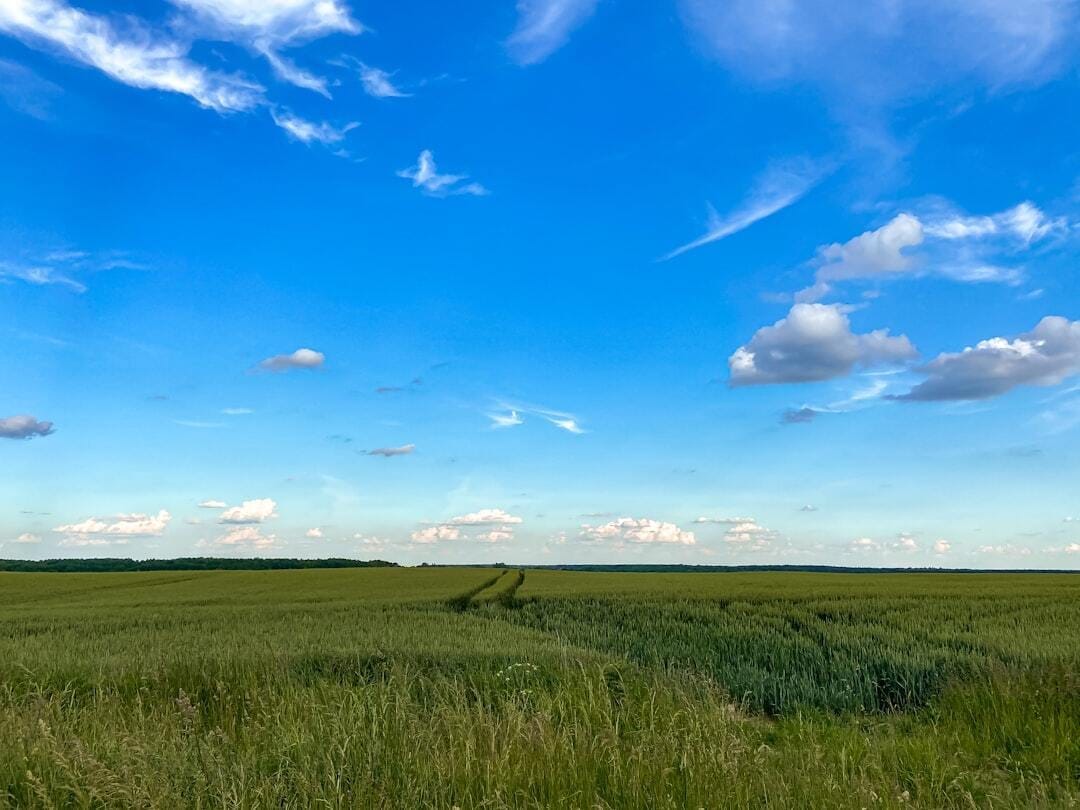
In the crowded world of real estate investing, finding quality information about vacant land opportunities feels like searching for a needle in a haystack. While dozens of real estate newsletters flood inboxes with the same rehashed advice about fix-and-flip properties and rental homes, one crucial segment of the market remains dramatically underserved: vacant land. This gap creates both a challenge and an opportunity for savvy investors who understand that raw land represents one of the last truly affordable entry points into real estate investing.
The Secret Land List has emerged as the premier real estate newsletter dedicated exclusively to vacant land opportunities, filling a void that mainstream publications have long ignored. Unlike generic property newsletters that treat land as an afterthought, We specialize in curating affordable acreage opportunities, providing members with access to properties that often never appear on major listing platforms. For investors tired of competing in oversaturated residential markets or those seeking portfolio diversification through alternative real estate assets, this specialized approach offers a refreshing and profitable alternative.
The newsletter's focus on properties priced accessibly—often under $1,000 per acre—democratizes land ownership and investment in ways that traditional real estate newsletters simply cannot match. By combining attractive listings with educational content about land acquisition, due diligence, and development strategies, The Secret Land List transforms from a simple real estate newsletter into a comprehensive resource for building wealth through vacant land.
Why Traditional Real Estate Newsletters Miss the Vacant Land Market
Mainstream real estate newsletters have cultivated a predictable pattern: they focus almost exclusively on residential properties, commercial real estate, and occasionally industrial or multifamily investments. This narrow focus creates a significant blind spot, leaving vacant land as the most underrepresented asset class in real estate media.
The Coverage Gap in Traditional Real Estate Newsletters
What Mainstream Publications Cover:
✓ Residential fix-and-flip strategies
✓ Rental property management
✓ Commercial real estate trends
✓ Luxury home markets
✓ Urban development projects
What They Ignore:
✗ Vacant land opportunities
✗ Raw acreage investment strategies
✗ Off-grid property options
✗ Rural land development
✗ Affordable land acquisition
Why This Gap Exists
Traditional real estate publications gravitate toward properties that generate immediate, obvious content opportunities. A remodeled Victorian home photographs beautifully and tells a compelling visual story. A luxury condo development in an urban center attracts readers interested in lifestyle and aspiration. Commercial properties tie into business news and economic trends that editors find easier to contextualize for general audiences. Vacant land, by contrast, doesn't offer the same immediate visual appeal or obvious narrative hooks, leading many publishers to overlook it entirely despite its investment merit.
Key Reasons Vacant Land Gets Overlooked:
Complexity Barrier - Understanding water rights, mineral rights, access easements, zoning regulations, and development potential demands expertise that generalist real estate writers often lack
Visual Appeal Deficit - Raw land doesn't photograph as dramatically as developed properties, making it less attractive for content marketing
Lower Commission Structure - A $300,000 home purchase generates substantial commissions; a $5,000 land purchase does not, affecting advertising incentives
Specialized Knowledge Required - Vacant land requires different expertise than residential or commercial property analysis
This editorial neglect creates a self-perpetuating cycle. Because mainstream real estate newsletters don't cover vacant land, investors assume it's not a viable strategy. This lack of competition keeps prices low and opportunities abundant for those who do understand the market. The information asymmetry benefits informed investors while leaving the general public unaware of compelling opportunities happening right under their noses.
Financial incentives also shape coverage decisions. Real estate newsletters often rely on advertising from mortgage brokers, real estate agents, and property management companies—all of whom earn more from residential transactions than from raw land sales. This economic reality influences what stories get told and which opportunities receive promotion.
The Secret Land List recognizes that this gap represents opportunity rather than obstacle. By creating a real estate newsletter specifically designed for the vacant land market, it serves an underserved audience of investors, homesteaders, outdoor enthusiasts, and forward-thinking individuals who understand that land ownership provides benefits that developed properties cannot match.
What Makes The Secret Land List Different from Other Real Estate Newsletters
In a marketplace saturated with generic real estate newsletters promising insider secrets and hot deals, The Secret Land List distinguishes itself through radical specialization and genuine value delivery. Rather than attempting to cover every aspect of real estate investing superficially, it dives deep into one specific niche, providing members with actionable intelligence they simply cannot find elsewhere.
Core Differentiators
1. Exclusive Vacant Land Focus
While BiggerPockets and similar platforms offer valuable general real estate education, The Secret Land List concentrates entirely on raw acreage opportunities. This specialization means every listing, every article, and every resource serves readers interested specifically in land investment.
Benefits of specialization:
No irrelevant content about rental property management
No fix-and-flip strategies cluttering your inbox
100% focus on vacant land opportunities
Deep expertise in land-specific challenges
Targeted education for land investors only
2. Professional Curation Process
The Secret Land List doesn't simply aggregate every land listing from public databases. Instead, the team actively researches and vets opportunities using a rigorous screening process:
Property Screening Checklist:
├── Price Analysis (Market comparison)
├── Access Verification (Legal road access confirmed)
├── Title Preliminary Review (Major liens flagged)
├── Location Assessment (Growth potential evaluated)
├── Seller Verification (Legitimate ownership confirmed)
└── Value Proposition (Deal quality scored)
This curation process saves members countless hours of research while protecting them from common pitfalls that trap inexperienced land buyers.
3. Affordability-First Philosophy
Newsletter Type | Average Property Price | Target Investor |
|---|---|---|
Luxury Land Publications | $500,000+ | High-net-worth individuals |
General Real Estate Newsletters | $200,000+ | Traditional home buyers |
The Secret Land List | Under $50,000 | Average investors |
By focusing on properties priced to allow average investors to participate—often under $1,000 per acre—the newsletter democratizes land ownership. This isn't about showcasing $10 million ranches or exclusive estate properties; it's about connecting real people with real opportunities.
4. Optimized Delivery Format
The newsletter's frequency strikes a balance between staying top-of-mind and avoiding inbox fatigue. Rather than daily emails that become noise, The Secret Land List maintains a schedule that delivers fresh opportunities regularly while respecting subscribers' time and attention.
Typical Newsletter Content:
1-3 curated land listings with detailed information
1-2 educational articles on land investing topics
Market insights and trending opportunities
Upcoming opportunities preview
The Types of Land Opportunities Featured in This Real Estate Newsletter
Understanding what types of properties appear in the Secret Land List helps potential subscribers evaluate whether the real estate newsletter aligns with their investment goals and interests. The diversity of opportunities featured reflects the multifaceted nature of vacant land investing and ensures that members with varying objectives can find relevant listings.
Property Categories Regularly Featured
1. Affordable Acreage Under $1,000 Per Acre
This represents the newsletter's core focus. These properties typically exist in rural areas across multiple states where low population density and abundant available land create genuine bargains.
According to research from the National Association of Realtors, rural land values vary dramatically by region, and understanding these variations helps investors identify the best opportunities.
Example Property Profile:
Location: Rural Arizona
Total Acreage: 40 acres
Total Price: $20,000
Price Per Acre: $500
Features: Mountain views, legal access, minimal restrictions
Investment Type: Recreational/Long-term hold
2. Off-Grid Properties
These parcels appeal to buyers interested in self-sufficient living, homesteading, or creating private retreats away from urban infrastructure.
Off-Grid Property Features:
Solar power viability (southern exposure, minimal shading)
Rainwater harvesting potential
Suitable terrain for sustainable building
Permissive county regulations for alternative systems
Distance from utility infrastructure (keeping costs low)
Access to natural resources (water sources, timber)
Ideal for:
Homesteaders seeking self-sufficiency
Preppers building retreat properties
Remote workers wanting privacy
Retirees escaping urban living
Anyone frustrated with utility costs and regulations
3. Investment-Focused Parcels
These properties offer characteristics that suggest appreciation potential and future value growth.
Investment Indicators:
Factor | Why It Matters | Example |
|---|---|---|
Development Path | Property lies between growing town and current development | Land 15 miles from expanding city |
Infrastructure Plans | County planning new road or utility expansion | Property near planned highway extension |
Demographic Trends | Population moving into region | Areas attracting remote workers |
Resource Value | Potential for timber, minerals, or water | Property with marketable timber |
Recreational Demand | Near hunting/fishing areas | Adjacent to national forest |
The Secret Land List identifies these investment-grade properties by analyzing growth patterns, infrastructure development, and demographic trends, providing members with opportunities that combine affordable acquisition with upside potential.
4. Recreational Land
These listings serve outdoor enthusiasts seeking hunting property, camping destinations, or areas for hiking, fishing, and other activities.
Common Recreational Features:
🦌 Wildlife populations (deer, elk, turkey)
🎣 Water features (streams, ponds, lakes)
🏕️ Camping suitability (level areas, access)
🥾 Proximity to public lands (extended recreation area)
🌲 Natural beauty (forests, mountains, valleys)
🏹 Hunting potential (game trails, food sources)
Resources from Zillow's land buying guide provide helpful frameworks for evaluating recreational property potential.
5. Owner-Financing Opportunities
Recognizing that traditional mortgage financing for raw land can be challenging or expensive, The Secret Land List actively seeks properties where sellers offer financing directly.
Typical Owner-Financing Terms:
Down Payment: 10-20% (vs. 30-50% with banks)
Interest Rate: 6-10% (competitive with land loans)
Term Length: 5-10 years
Qualification: Minimal credit checks, flexible approval
Monthly Payment: Based on agreed terms
Balloon Payment: Sometimes required at term end
Advantages of Owner Financing:
✓ Lower down payment requirements
✓ Faster closing process
✓ More flexible qualification standards
✓ Direct negotiation with seller
✓ Simplified paperwork
✓ No bank appraisal required
A typical owner-financed deal might require just 10-20% down with payments spread over 5-10 years, dramatically lowering the barrier to entry for buyers who might not qualify for conventional loans.
6. Geographic Diversity
The newsletter's state-by-state coverage ensures members can choose locations based on personal preferences:
Selection Criteria:
Climate preferences (desert, mountains, plains, forests)
Proximity to current residence
State tax advantages
Building regulation environment
Water availability and rights
Property tax structures
Recreation opportunities
While The Secret Land List cannot perform comprehensive due diligence on every property, this preliminary screening protects subscribers from the most obvious pitfalls while still requiring them to conduct their own thorough investigation before purchasing.
How to Maximize Your Real Estate Newsletter Subscription for Land Investing Success
Subscribing to The Secret Land List represents just the first step; extracting maximum value requires strategic approach and consistent effort. Successful members treat their real estate newsletter subscription as a tool within a broader land investment strategy rather than a passive source of entertainment.
Step 1: Establish Clear Investment Criteria
Define your parameters before you receive your first newsletter issue to focus attention on relevant opportunities.
Essential Criteria to Define:
Budget Parameters:
├── Maximum total purchase price
├── Available down payment
├── Monthly payment capacity (if financing)
└── Development budget available
Geographic Preferences:
├── Preferred states (list 3-5)
├── Maximum distance from current location
├── Climate requirements
└── Proximity to amenities needed
Property Specifications:
├── Minimum acreage
├── Maximum acreage
├── Terrain preferences
└── Access requirements
Intended Use:
├── Investment/resale
├── Personal recreation
├── Building/homesteading
├── Hunting/outdoor activities
└── Long-term hold
Example Criteria Profile:
Budget: Under $30,000 total purchase
Location: Southwest states (AZ, NM, NV)
Size: 2-40 acres
Purpose: Recreational with future building potential
Access: Legal year-round vehicle access required
Having these parameters established allows you to quickly evaluate listings against your criteria rather than getting distracted by properties that don't actually fit your goals.
Step 2: Create a Systematic Due Diligence Process
Develop a comprehensive checklist covering all critical verification steps.
Due Diligence Workflow:
Phase | Tasks | Timeline | Tools/Resources |
|---|---|---|---|
Initial Review | Property specs, price analysis, location research | Day 1 | Newsletter details, Google Maps |
Preliminary Contact | Reach out to seller, ask key questions | Day 1-2 | Email/phone script prepared |
Title Research | Order title report, review for issues | Day 3-5 | Title company |
Access Verification | Confirm legal access, review easements | Day 3-5 | County records, title report |
Regulatory Check | Zoning, building codes, restrictions | Day 5-7 | County planning department |
Physical Inspection | Visit property, walk boundaries, assess condition | Week 2-3 | GPS, camera, notebook |
Final Evaluation | Review all findings, make decision | Week 3-4 | Due diligence checklist |
Resources from Realtor.com's land market analysis provide helpful frameworks for structuring your research process.
Critical Questions to Answer:
✓ Does the seller actually own the property free and clear?
✓ Is there guaranteed legal access via recorded easement or road frontage?
✓ What can you legally build/do on the property?
✓ Are property taxes current, and what will annual taxes be?
✓ What's the water situation (well drilling costs/restrictions)?
✓ Are there any liens, encumbrances, or restrictions on the title?
✓ Does the property match its description and photos?
Step 3: Act Decisively on Quality Opportunities
The best properties featured in The Secret Land List typically attract multiple interested buyers.
Speed-to-Action Guidelines:
Same Day (within 12 hours of newsletter):
Review new listings against your criteria
Shortlist 2-3 top prospects
Contact sellers for additional information
Request any available documentation
Within 48 Hours:
Order preliminary title report
Schedule phone call with seller
Begin county research online
Plan property visit if highly interested
Within One Week:
Visit property in person (if feasible)
Make formal offer (if due diligence supports)
Negotiate terms and timeline
Arrange financing or payment structure
Action vs. Analysis Paralysis:
Successful Investor Approach:
Quick evaluation → Rapid contact → Thorough but efficient due diligence → Decision
Unsuccessful Approach:
Endless research → Delayed contact → Property sold → Regret and missed opportunity
Step 4: Build Your Professional Network
Establish relationships with service providers in your target areas to streamline the purchase process.
Essential Network Contacts:
Title Companies - 2-3 in target regions
Surveyors - Local professionals who know the area
Real Estate Attorneys - Specializing in land transactions
Land Specialists/Agents - Local market knowledge
Many successful investors featured in case studies from Forbes Real Estate emphasize that these professional networks prove invaluable for closing deals efficiently.
Step 5: Track and Analyze Your Research
Maintain detailed records of properties you've investigated to build market knowledge over time.
Tracking Spreadsheet Columns:
Property ID/Newsletter date
Location (state, county, area)
Total acreage and price
Price per acre
Key features
Contact information
Due diligence findings
Decision made (pass/pursue/purchased)
Reasons for decision
Current status
Benefits of Tracking:
Recognize good deals by having comparison data
Avoid duplicate research on re-listed properties
Identify pricing trends in specific areas
Create reference library for future purchases
Step 6: Treat Education as Ongoing
Read articles and guides thoroughly, even when they don't relate to properties you're currently considering.
Key Knowledge Areas to Master:
Title research and interpretation
Zoning and building code navigation
Negotiation strategies for land
Financing options and structures
Market analysis for land values
Exit strategies and resale approaches
Building comprehensive knowledge about land investing prepares you to recognize exceptional opportunities when they appear and avoid common mistakes that trap inexperienced buyers.
The real estate newsletter landscape offers dozens of options, from free weekly digests to premium subscriptions costing hundreds of dollars monthly. Understanding how specialized publications like The Secret Land List compare to general real estate newsletters helps potential subscribers make informed decisions about where to invest their time and money.
The Specialization Advantage
General vs. Specialized Real Estate Newsletters:
Feature | General Newsletter | The Secret Land List |
|---|---|---|
Content Relevance | 5-10% applicable to land investors | 100% focused on vacant land |
Expertise Depth | Surface-level land coverage | Deep land-specific knowledge |
Listing Quality | Mixed property types | Curated land opportunities only |
Community | Diluted across many niches | 7000+ Subscribers |
Education | Generic real estate principles | Land-specific strategies and tactics |
Time Efficiency | Must filter irrelevant content | Every piece applies to your goals |
Information Efficiency Comparison:
General Real Estate Newsletter (100 items/month):
├── Residential properties: 60 items
├── Commercial listings: 20 items
├── General advice: 15 items
└── Land opportunities: 5 items (5% relevant)
The Secret Land List (50 items/month):
└── Land opportunities and education: 50 items (100% relevant)
Result: 10x more relevant content per item consumed
Cost-Benefit Analysis
Consider the return on investment from finding just one quality land deal through The Secret Land List.
Scenario Analysis:
Example 1 - Quick Flip:
Property purchased: $20,000 (40 acres at $500/acre)
Newsletter subscription: $300/year
Time to resale: 18 months
Sale price: $35,000
Net profit: $15,000 (before closing costs)
ROI on subscription: 5,000%
Example 2 - Long-Term Hold:
Property purchased: $25,000 (50 acres at $500/acre)
Newsletter subscription: $300/year
Holding period: 10 years
Appreciation: 5% annually
Future value: $40,722
Equity gained: $15,722
Less subscription costs: $3,000 (10 years)
Net benefit: $12,722 (424% return)
Example 3 - Personal Use Value:
Property purchased: $30,000 (recreational land)
Newsletter subscription: $300/year
Alternative cost: $200/weekend for cabin rentals
Weekends used per year: 20
Annual rental savings: $4,000
Subscription is Free
General real estate newsletters, while potentially less expensive or free, provide less concentrated value for land investors specifically because you must filter through enormous amounts of irrelevant content to find the occasional land opportunity.
Data from Realtor.com's land market analysis demonstrates that educated buyers make better purchasing decisions and achieve superior investment outcomes, supporting the case for specialized educational resources.
Transforming Land Investment Through Specialized Intelligence
The vacant land market represents one of real estate investing's last frontiers where individual investors can still find genuine bargains, build substantial equity, and create opportunities unavailable through traditional property investments. However, success in this market requires access to information and opportunities that mainstream real estate newsletters consistently fail to provide.
The Information Gap Is Your Opportunity
This gap between available resources and investor needs has created both frustration for those seeking to enter land investing and opportunity for those discovering specialized resources designed specifically for this market. While others compete in oversaturated residential markets, informed land investors are quietly building portfolios of affordable acreage with tremendous future potential.
What The Secret Land List Delivers
The Secret Land List bridges the information gap by delivering exactly what land investors need:
Core Value Propositions:
Curated opportunities priced accessibly (often under $1,000/acre)
Educational content addressing unique aspects of vacant land acquisition
Owner-financing opportunities for easier acquisition
Geographic diversity across multiple states and climates
And Much More…
Who Benefits Most
The Secret Land List serves diverse groups with common interest in vacant land:
Ideal Subscriber Profiles:
Investors tired of competing in oversaturated residential markets
Individuals seeking portfolio diversification through alternative assets
Homesteaders pursuing self-sufficient lifestyle goals
Outdoor enthusiasts wanting private recreation property
Preppers building retreat or backup locations
Retirees seeking affordable property for future use
Remote workers embracing location independence
Anyone recognizing that land ownership provides security and freedom
The Future of Vacant Land Investing
The future looks increasingly promising as several trends converge:
Driving Factors:
Remote Work Normalization - Location independence increasing land appeal
Housing Affordability Crisis - Raw land offers alternative to expensive homes
Off-Grid Movement - Growing interest in self-sufficient living
Portfolio Diversification - Investors seeking tangible assets beyond stocks
Lifestyle Shifts - Desire for space, privacy, and connection to nature
Early movers who've established land portfolios through resources like The Secret Land List will find themselves positioned advantageously as these trends accelerate.
Your Next Step
Getting started requires only the decision to explore what specialized real estate newsletters offer.
Take Action Today:
Visit secretlandlist.com to:
Review membership options and pricing
Explore sample content and past featured properties
Join a growing community of successful land investors
Access educational resources about land acquisition
Start receiving curated opportunities immediately
What You'll Gain:
Month 1: Education and orientation
├── Learn land investing fundamentals
├── Establish your investment criteria
├── Begin evaluating opportunities
└── Finding Off-Market Properties
Month 2: Active searching
├── Review dozens of curated listings
├── Conduct due diligence on prospects
├── Connect with sellers
└── Make first offer
Month 3: First purchase
├── Close on your first land parcel
├── Begin property planning
├── Exit Strategy
└── Look for next opportunity
Month 4-6+: Portfolio building
├── Own multiple parcels
├── Exit Strategies
├── Connect with other Investors
└── Build long-term wealth
The Window Won't Stay Open Forever
The land investing opportunity remains open, but information asymmetry won't last forever. As more investors discover vacant land's potential, competition will increase and bargains will become scarcer.
Why Act Now:
Current prices remain historically low in many areas
Seller motivation high with owner-financing common
Low competition from informed buyers
Infrastructure expansion creating future value
Remote work trends increasing rural property appeal
Those who position themselves now with the right information resources and specialized knowledge will capture opportunities that future investors will wish they hadn't missed.
Your Journey Starts With Better Information
Whether your goals involve investment profits, homesteading dreams, recreational property, or simply securing affordable land for future use, the right real estate newsletter can transform your trajectory from wishful thinking to property ownership.
The Secret Land List offers the specialized intelligence, curated opportunities, and supportive community that makes vacant land investing accessible and profitable. While others waste time filtering through irrelevant general real estate content, you'll have direct access to the best land opportunities available at prices that make ownership achievable.
Your journey toward land ownership and investment success starts with a single decision: to seek out specialized intelligence rather than settling for generic information that serves everyone and no one simultaneously.
Join The Secret Land List today and discover why thousands of successful land investors consider it an indispensable tool in their wealth-building arsenal.
Ready to start your land investing journey? Visit secretlandlist.com and join the community of investors discovering that some of real estate's best opportunities exist in places most people never think to look.