
Unlock Your Investment Potential: Strategies for Land Lots for Profit

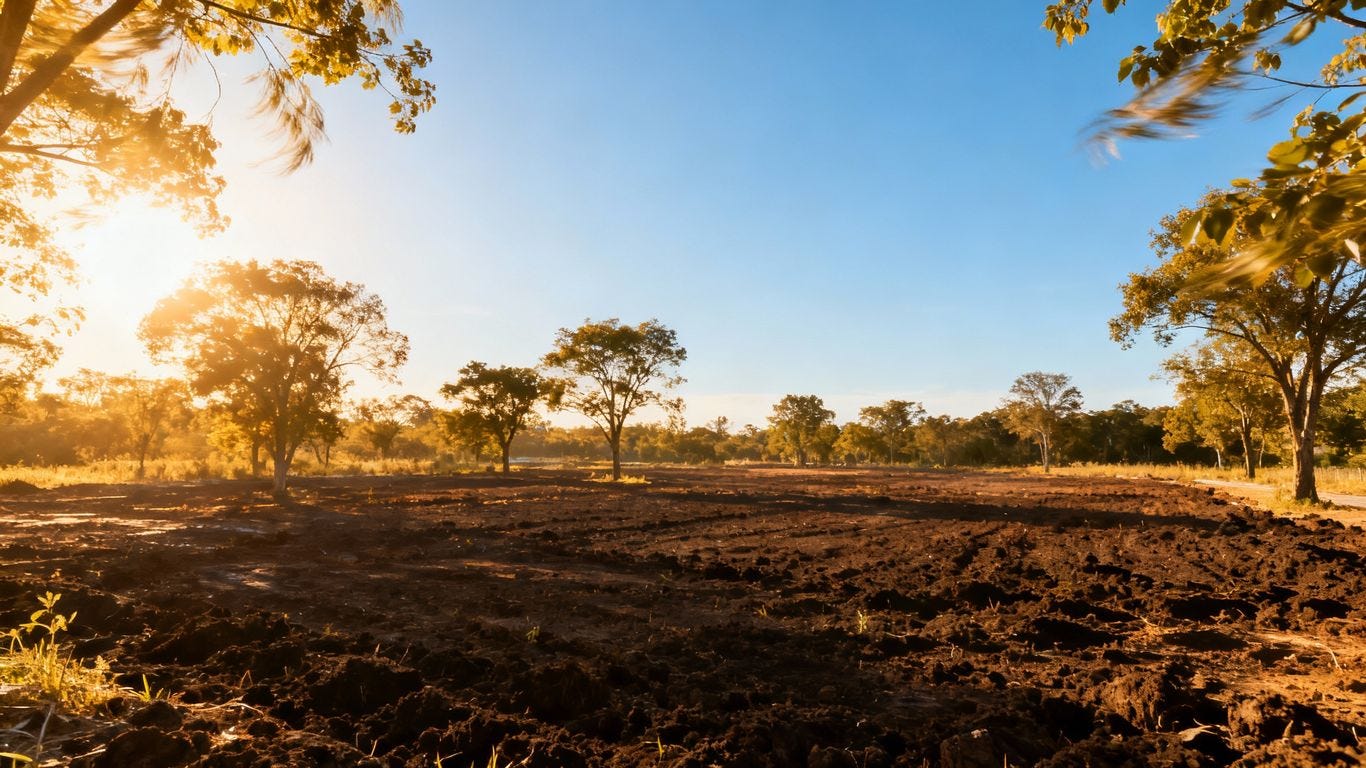
Thinking about investing in land? It’s a solid move, for sure. People have been doing it for ages, and for good reason. Land doesn’t usually go down in value, and there are tons of ways to make money from it, whether you want to just sit back and collect rent or get your hands dirty with some development. This article breaks down how you can make land lots for profit work for you.
Key Takeaways
Buying and holding land is a steady way to profit as the area grows.
Flipping land means buying low, improving it, and selling for a quick gain.
Leasing your land for farming or renewable energy projects can bring in consistent money.
Developing your land for rentals or special businesses can boost income.
Understanding taxes and legal rules is key to successful land investing.
Understanding Land Lots For Profit
Investing in land might seem straightforward – you buy a piece of dirt, and hopefully, it’s worth more later. But there’s a lot more to it than just waiting around. Land is a finite resource, meaning they aren’t making any more of it, which is a big reason why it can hold its value and even grow over time. It’s a different ballgame than stocks or bonds; it’s tangible, and its potential uses are vast.
The Enduring Value of Land Investment
Think about it: land has been a store of value for centuries. Unlike buildings that need constant upkeep or businesses that can go belly-up, a good piece of land is pretty stable. Its value often comes from its location, its potential for development, or even the natural resources it holds. The key is recognizing that potential before everyone else does. Whether you’re looking at it for the long haul or a quicker flip, land offers a unique kind of investment security.
Defining the Land Investor’s Role
So, what exactly does a land investor do? Essentially, you’re someone who buys land with the intention of making money from it. This could mean holding onto it for years, waiting for the area to develop and prices to climb, or it could be more active, like preparing the land for building or leasing it out. It’s about seeing the possibilities in a blank canvas. You’re not just a buyer; you’re a strategist, looking for opportunities that others might miss. It’s a bit like being a prospector, but instead of gold, you’re digging for profit in property.
Key Factors for Profitable Land Ventures
What makes one piece of land a goldmine and another a money pit? Several things come into play. Location is huge, of course – is it near a growing town or a major highway? Zoning laws are also critical; what can you actually do with the land? Is it zoned for residential, commercial, or agricultural use? Understanding these details is half the battle. Here are some points to consider:
Market Research: Always check out what’s happening in the area. Are new businesses moving in? Is the population growing? This kind of information can point to future appreciation. You can find a lot of data on local government websites or through real estate analytics tools.
Development Potential: Does the land have access to utilities like water, sewer, and electricity? If not, how much would it cost to bring them in? This can significantly impact your costs and, therefore, your profit.
Legal and Zoning: Make sure you understand all the local regulations. Sometimes, a piece of land looks great on paper, but restrictive zoning can limit its profitability. It’s always wise to consult with local planning departments or a real estate attorney.
When you’re looking at land, try to think beyond its current state. Imagine what it could be. This forward-thinking approach is what separates a good land investment from a mediocre one. It’s about seeing the future value, not just the present condition.
Finally, don’t forget about the practical side of things. Sometimes, the best opportunities come from understanding the local market and what kind of development is actually needed or desired. It’s not just about buying land; it’s about buying the right land at the right time and having a plan for how to make it work for you. This initial understanding is the bedrock for any successful land investment strategy, setting the stage for future profits and growth. You can start by looking at opportunities for land investing.
Strategic Approaches to Land Investment

Investing in land isn’t just about buying a piece of dirt and hoping for the best. There are different ways to go about it, each with its own rhythm and potential payoff. Think of it like choosing a tool for a job – you pick the right one for what you want to achieve.
The Buy and Hold Strategy for Long-Term Gains
This is probably the most straightforward method. You buy land, and you hold onto it for a while, waiting for its value to go up. It’s a patient game, best suited for areas you believe will grow over time. Maybe a new highway is planned, or a town is expanding in that direction. You’re essentially betting on future development. It requires some research into growth patterns and local plans, but the payoff can be substantial when you eventually sell.
Research potential growth areas: Look for signs of economic development or population increase.
Understand zoning: Make sure the land’s current or future zoning aligns with your long-term vision.
Factor in holding costs: Property taxes and any maintenance add up over time.
This approach is less about quick wins and more about building wealth steadily. It’s like planting a tree; you don’t see the full benefits overnight, but with care, it can provide shade and fruit for years.
Land Flipping: A Quick Profit Pathway
This is the opposite of buy and hold. Land flipping is about buying land, making a few improvements if needed, and selling it relatively quickly for a profit. Think of it as a real estate sprint. The key here is finding undervalued properties and adding value through simple means, like clearing brush, getting permits, or even just marketing it better. It’s more hands-on and requires a good eye for opportunity and a solid understanding of the local market.
Identify undervalued properties: Look for motivated sellers or properties with overlooked potential.
Add value efficiently: Focus on improvements that significantly boost appeal without breaking the bank.
Know your exit strategy: Have a plan for who you’ll sell to and at what price before you buy.
Developing Raw Land for Maximum Value
This is where things get really interesting, and potentially, very profitable. Developing raw land means taking undeveloped property and transforming it into something more. This could mean subdividing it for housing, putting in infrastructure for commercial use, or even creating recreational spaces. It’s the most involved strategy, often requiring significant capital, permits, and a team of professionals. However, the profit margins can be the highest because you’re creating something from scratch.
Assess feasibility: Can the land support the type of development you have in mind?
Secure financing: Development projects often require substantial upfront investment.
Navigate regulations: Zoning, permits, and environmental reviews are critical steps.
Generating Income Through Land Leasing

So, you’ve got some land, and you’re thinking about how to make it work for you without having to build a whole business on it yourself. Leasing it out is a pretty solid way to go. It’s like renting out a spare room, but, you know, bigger. You get a steady stream of cash without a ton of day-to-day hassle. It’s a good way to keep your land working for you, even if you’re not actively developing it.
Agricultural Leases for Consistent Returns
This is probably the most common way people lease land. You find a farmer who needs space to grow crops or raise livestock, and you rent them the land. It’s a win-win: they get to farm, and you get paid. The amount you can charge really depends on a few things. Think about the soil quality – is it good for growing? Where is the land located? Is it near a town or a major road? And what are people actually growing around there? If there’s a big demand for corn, you can probably ask for more.
Here’s a quick look at what influences lease rates:
Soil Fertility: Richer soil means higher potential yields, so farmers will pay more.
Water Access: Reliable water sources (like wells or nearby rivers) are a big plus.
Topography: Flat, easily workable land is generally more desirable than steep hills.
Proximity to Markets: Land closer to processing plants or buyers can reduce transport costs for the farmer.
The key is to have a clear lease agreement. This document should spell out exactly what the farmer can and can’t do on your land, how long the lease is for, and what happens if something goes wrong. It protects both of you.
A well-drafted lease agreement is your best friend when renting out land. It prevents misunderstandings down the road and ensures both parties know their responsibilities. Think of it as the rulebook for your land rental.
Renewable Energy Leases for Sustainable Income
This is a newer, but increasingly popular, option. Companies are always looking for land to put up solar panels or wind turbines. If you have a decent amount of open space, especially in an area that gets a lot of sun or wind, you might be able to strike a deal. These leases are often long-term, which means you get predictable income for years. It’s a way to make money while also supporting clean energy, which is pretty cool.
Solar Farms: Need open, sunny land. Panels can be installed on ground mounts.
Wind Farms: Require land with consistent, strong winds. Turbines can be quite large.
Biomass Facilities: Might use agricultural byproducts from your land or nearby farms.
These deals can be complex, so it’s smart to get advice from professionals who understand energy leases. They can help you figure out the best terms and make sure you’re getting a fair shake.
Specialty Farming Opportunities
Beyond just regular crops, there are other farming ventures that can be quite profitable. Think about things like vineyards for wine grapes, orchards for fruit trees, or even land for organic produce. These often require more hands-on work or specialized knowledge, but the products can command higher prices. You might partner with someone who knows the ropes of specialty farming, or if you have the interest and skills, you could manage it yourself.
Vineyards: Demand specific soil types and climate conditions.
Orchards: Require long-term planning as trees take years to mature.
Organic Produce: Growing demand, but requires adherence to strict certification standards.
It’s a bit more involved than just renting to a standard farmer, but the payoff can be bigger if you hit the right market.
Maximizing Your Land’s Potential
So, you’ve got some land. That’s great! But just owning it is one thing; making it work for you is another. It’s not just about waiting for property values to go up. There are actually a bunch of ways to get more out of your acreage, turning it into a real money-maker. Think of it like this: your land is a blank canvas, and you get to decide what picture to paint on it.
Exploring Niche Business Ventures on Your Land
This is where things get interesting. Instead of just letting your land sit there, you can start a business right on it. What kind of business? Well, that depends on your land and what people around you need. Maybe it’s a small farm stand selling local produce, or perhaps a place for people to store their boats or RVs during the off-season. Even a small plot can be used for something unique. The key is to identify a need in your local market that your land can fulfill.
Here are a few ideas to get you thinking:
Storage Solutions: Many people need places to park RVs, boats, or even just store extra belongings. If your land is accessible, you could set up a simple storage facility. This often requires minimal setup beyond clear boundaries and maybe some basic security.
Event Venue: Got a nice view or some open space? Consider turning it into a spot for weddings, parties, or corporate retreats. People are always looking for unique, private locations away from the usual banquet halls.
Specialty Agriculture: Beyond regular farming, think about niche crops like lavender, Christmas trees, or even a small vineyard. These can sometimes bring in higher profits per acre than traditional crops.
Developing Rental Properties for Passive Income
If you have enough space and the zoning allows it, building rental properties can be a fantastic way to generate steady income. This could mean anything from a couple of small cabins for weekend getaways to a small apartment building if you’re in a more populated area. It takes more upfront work and investment, but the payoff can be significant over time. You’re essentially creating your own income stream that can last for years. It’s a good idea to look into areas where people are moving to or visiting often. Building energy-efficient homes can also attract tenants who are looking to save on utility bills, making your property more appealing.
Building rental properties requires careful planning. You’ll need to consider construction costs, local building codes, and how you’ll manage the properties once they’re occupied. Getting permits can sometimes be a slow process, so factor that into your timeline.
Leveraging Natural Resources for Profit
Sometimes, the best way to make money from your land is to look at what’s already there. Does your land have timber? Are there minerals beneath the surface? These natural resources can be quite valuable. You can work with companies that specialize in logging or mining, but it’s super important to do this the right way. That means making sure you get a fair price and that the environment is protected. Sustainable practices are key here; you want to make money without ruining the land for the future. For example, you could lease out space for cell towers, which can provide a consistent income stream with little effort on your part. These companies often sign long-term agreements, giving you predictable payments. You can find more information on selling land quickly in Calgary if you’re looking to move property here.
Timber Sales: If you have mature trees, you can arrange logging agreements. Work with professionals to ensure sustainable harvesting and fair compensation.
Mineral Rights: Research if your land has valuable minerals. Leasing these rights to mining companies can be profitable, but requires thorough due diligence.
Renewable Energy Leases: Partnering with solar or wind energy companies to install equipment on your land can provide a steady, passive income. This is a growing area with long-term potential.
Navigating the Financial and Legal Landscape
So, you’ve got your eye on some land, maybe for a long-term hold or a quick flip. That’s great! But before you sign on the dotted line, we really need to talk about the money and the paperwork. It’s not the most exciting part, I know, but getting this right can save you a massive headache down the road. Think of it like checking the weather before a big trip – you wouldn’t just wing it, right?
Understanding Tax Implications and Advantages
When you buy or sell land, taxes are definitely going to come into play. If you sell land for more than you paid, that’s a capital gain, and you’ll owe taxes on it. The exact amount depends on your income bracket. Now, there are ways to manage this. One common strategy is a 1031 exchange, which lets you defer paying taxes if you reinvest the profits into another piece of property. It’s a bit of a dance, but it can really help keep more money in your pocket. Don’t forget about property taxes, too. These are ongoing costs, and they can add up, especially if you own a lot of land. Sometimes, putting land into a family trust can help with tax planning, but it’s not always straightforward, and you might not be able to deduct losses. It’s a good idea to chat with a tax pro about what makes sense for your situation.
The Role of Owner Financing in Transactions
Sometimes, getting a traditional bank loan for land can be tricky. That’s where owner financing comes in. Basically, the seller acts like the bank, letting you pay them back over time. This can make deals happen that might not otherwise, especially if you’re looking at raw land or properties that don’t quite fit the mold for standard mortgages. It often means more flexibility on terms, which can be a big plus. You might find owner financing options that work for your budget and timeline. Just make sure everything is clearly written down in a contract.
Essential Legal Considerations for Landowners
Beyond taxes and financing, there’s a whole other layer of legal stuff to consider. You absolutely need to know the local zoning laws and any restrictions on what you can do with the land. This is super important because it dictates everything from building a house to running a business. You don’t want to buy land only to find out you can’t use it the way you planned. It’s also wise to get a proper survey done to confirm boundaries and check for any easements or rights-of-way that might affect your use of the property. A title search is also a must to make sure the seller actually owns the land free and clear.
Here’s a quick rundown of things to keep in mind:
Zoning and Land Use: What are the rules for building or operating on this parcel?
Easements and Rights-of-Way: Are there any existing agreements that allow others access or use of parts of your land?
Title and Survey: Confirming ownership and property lines is non-negotiable.
Environmental Regulations: Depending on the location, there might be specific rules about land development or resource use.
Dealing with legal and financial aspects of land ownership can feel overwhelming. It’s easy to get lost in the details. However, taking the time to understand these elements upfront is key to avoiding costly mistakes and ensuring your investment journey is smooth and profitable. Don’t hesitate to seek professional advice when you need it.
Identifying Promising Land Opportunities
Finding the right piece of land is like finding a hidden gem. It takes a bit of digging, but the payoff can be huge. You’re not just buying dirt; you’re buying potential. So, how do you spot that potential before everyone else does?
Researching Growth Areas for Future Appreciation
Think about where people are moving. Cities are expanding, and with that growth comes a need for more housing, businesses, and infrastructure. Look for areas on the outskirts of established towns or cities that are showing signs of development. Are new roads being built? Are there announcements about new businesses moving in? These are good indicators that land values might increase over time. It’s about getting in early before the prices really start to climb. You can use online tools to see population trends and development plans for different regions. The earlier you identify these areas, the better your chances for significant returns.
Evaluating Zoning Laws and Development Potential
Zoning is a big deal. What can you actually do with the land? Is it zoned for residential, commercial, agricultural, or something else? Sometimes, land that looks great on paper might have restrictions that make it hard to develop or sell for a profit. You’ll want to check with the local planning department to understand the zoning regulations. Also, consider the land’s physical characteristics. Is it flat and easy to build on, or is it hilly and rocky? Access to utilities like water, sewer, and electricity is also a major factor. Understanding these details upfront can save you a lot of headaches and money down the road. It’s worth looking into local zoning ordinances to get a clear picture.
Recognizing Bargains in Distressed Sales
Sometimes, people need to sell their land quickly. This could be due to financial hardship, a change in life circumstances, or other reasons. These situations can create opportunities to buy land at a lower price than market value. Keep an eye out for properties that have been on the market for a while or are listed as ‘motivated seller.’ Auctions and foreclosures can also be good places to find deals, but they often require quick decisions and cash. It’s a bit more of a gamble, but the rewards can be substantial if you do your homework.
Here’s a quick checklist to consider:
Location: Is it in or near a growing area?
Zoning: Does it allow for your intended use?
Utilities: Is access to water, sewer, and power feasible?
Topography: Is the land buildable or does it require significant work?
Market Trends: What are similar properties selling for?
Buying land is a long-term game for many investors. It’s not usually a get-rich-quick scheme. Patience and careful research are your best friends when looking for that perfect parcel. Think about what the land could be used for in 5, 10, or even 20 years from now.
Wrapping It Up
So, investing in land can really pay off if you go about it the right way. It’s not just about buying dirt; it’s about seeing the possibilities and making smart moves. Whether you’re holding onto it for years, leasing it out, or even flipping it, there are plenty of paths to making some extra cash. Just remember to do your homework, understand what you’re getting into, and pick a strategy that fits what you want to achieve. With a little effort and a good plan, your land can become a solid source of income.